Find the College That Cares About You

As seniors are narrowing down their list of colleges, I urge them to seriously consider those colleges that are a good fit for them. Applying to those colleges that are a good fit for you gives you the best opportunity to attend the college that cares about you and where you will thrive and graduate!

“Good fit” colleges (note: plural) will match these criteria:

• Offers the course of study you want to pursue—and will provide opportunities for you to explore if you are undecided;

• Provides instruction and learning opportunities in a manner that is compatible with the way you like to learn;

• Is a good match for your level of ability and academic preparation; and

• Provides a community that feels like home

Ultimately . . .

—the ideal college—will also be the place that values you for what you have to offer!

Think about it. Wouldn’t you prefer to be at a college that recognizes your talents and abilities, interests, and perspectives—and demonstrates its commitment to investing in your success?

via The Best College? The One That Values You – The College Admissions Insider usnews.com.

During the recruitment process, college-bound students should look for these indicators that the college values your candidacy:

• Give you personal attention throughout the recruitment process;

• Answer your questions about housing, registration, and payment plans in a timely manner;

• Provide financial aid to meet your need; and

• Recognize your talents with scholarships and/or special academic opportunities i.e., study abroad, internships, research, etc.

via The Best College? The One That Values You – The College Admissions Insider usnews.com.

Invest in yourself by choosing the college that cares about you and provides the support you need to succeed.

Watch for these signs as they will tell you a lot about how you’ll be treated as an enrolled student!

More interesting posts to check out:

How to get into the University of Chicago

Please sign up for our monthly newsletter . . . Great stuff!

Gap Year Study Abroad: What It Means and Opportunities Available

In today’s increasingly globalized world, the concept of a “gap year” has gained significant popularity among students, especially those on the cusp of beginning their college education. Originally rooted in British culture, the gap year has steadily made its way into the lives of American students over the past few decades.

But what does it mean to take a gap year, and why is it becoming an attractive option for so many young people, particularly when paired with the opportunity to study abroad?

What Does It Mean to Study Abroad?

Studying abroad is an enriching experience that goes beyond traditional classroom education, allowing students to immerse themselves in a different culture, language, and environment. When you choose to study abroad, you’re not just attending classes in another country—you’re gaining a global perspective, learning how to adapt to new surroundings, and expanding your academic and personal horizons.

This experience often involves living in a foreign country, attending a local or international university, and participating in cultural exchanges that deepen your understanding of the world. Whether you’re pursuing academic credits, learning a new language, or engaging in volunteer work, studying abroad offers a unique opportunity to grow both academically and personally.

Gap Year Study Abroad: A World of Opportunities

One of the most popular and impactful ways to spend a gap year is through studying abroad. But what does it mean to study abroad, especially during a gap year? Study abroad programs allow students to live in another country, often immersing themselves in a different culture, language, and educational system. This can be transformative, offering insights into global issues, fostering intercultural understanding, and building lifelong memories and friendships.

During a gap year, studying abroad can take many forms:

  1. Language Immersion Programs: If you’ve always wanted to become fluent in another language, a gap year study abroad program is an excellent opportunity. Living in a country where the language is spoken daily allows for rapid improvement and a deeper understanding of the culture.
  2. Volunteer Programs: Many gap year students choose to participate in volunteer work, which can range from environmental conservation to education, healthcare, or community development. These experiences not only help those in need but also provide students with a sense of purpose and fulfillment.
  3. Cultural Exchange Programs: Engaging in a cultural exchange allows students to live with host families, attend local schools, and participate in community activities. This type of program is perfect for students looking to fully integrate into a new culture and learn from the inside out.
  4. Academic Programs: Some students opt for formal education during their gap year, enrolling in courses at foreign universities or institutions. This can be a great way to earn college credits, explore new academic interests, or even discover a potential major.
  5. Adventure and Travel Programs: For those with a thirst for adventure, there are gap year programs that combine travel with learning. These programs often include structured itineraries with educational components, such as studying the natural environment, historical sites, or cultural practices of different regions.

The Importance of Planning Your Gap Year Study Abroad

Taking a gap year, especially one that involves studying abroad, requires careful planning and consideration. Unlike spontaneous travel, a successful gap year is well-organized, with clear goals and a structured itinerary. This planning is essential for several reasons:

  1. College Admissions: Many colleges and universities are open to students deferring their admission to take a gap year, but they often require a detailed plan of how the student will spend their time. This plan demonstrates that the gap year will be a period of growth and learning, rather than just a break from academics.
  2. Financial Considerations: Studying abroad can be expensive, so it’s important to budget carefully. Some programs offer scholarships or financial aid, but students and their families should plan for all costs, including travel, accommodation, and daily expenses.
  3. Health and Safety: When traveling abroad, especially to countries with different health and safety standards, it’s crucial to prepare accordingly. This includes getting the necessary vaccinations, understanding local laws and customs, and having a plan in place for emergencies.
  4. Cultural Preparedness: Moving to a new country can be a culture shock, so it’s beneficial to research and prepare for the cultural differences you might encounter. Understanding the local customs, language, and social norms will make the transition smoother and the experience more rewarding.

Why Consider a Gap Year Study Abroad?

The benefits of a gap year study abroad are numerous. Here are a few reasons why students might consider this option:

  1. Personal Growth: Living in a new country, navigating unfamiliar situations, and meeting people from different backgrounds can significantly boost your confidence, independence, and problem-solving skills.
  2. Academic and Career Advantages: Colleges and employers often look favorably on applicants who have taken a gap year, especially if they’ve spent that time studying abroad. It shows initiative, adaptability, and a global perspective.
  3. Global Awareness: In an increasingly interconnected world, understanding global issues and being able to communicate across cultures is invaluable. A gap year study abroad can provide firsthand experience that enhances your understanding of the world.
  4. Language Proficiency: Immersing yourself in a new language environment is the fastest way to gain fluency, a skill that can be incredibly beneficial in both personal and professional contexts.
  5. Memorable Experiences: The memories and friendships made during a gap year study abroad are often lifelong. Whether it’s exploring ancient ruins, learning a traditional dance, or simply sharing a meal with your host family, these experiences are unique and unforgettable.

Travel Opportunities for College Students Beyond the Gap Year

Even if you choose not to take a gap year, there are still plenty of travel opportunities for college students to explore the world. Many universities offer study abroad programs, international internships, or exchange programs that can provide similar benefits.

Additionally, summer study abroad programs or short-term travel courses can be a great way to experience new cultures and gain academic credit without committing to a full year away from school.

Conclusion

A gap year study abroad is more than just a break from school; it’s an opportunity to grow, learn, and experience the world in a way that few other experiences can offer. Whether you’re looking to immerse yourself in a new language, volunteer in a community abroad, or simply explore the world, the benefits of taking a gap year are vast. With careful planning and a clear purpose, this time can set the stage for a successful college experience and beyond.

For those considering the journey, remember that the world is full of opportunities waiting to be explored. Whether through a gap year, study abroad, or other travel opportunities for college students, the experiences you gain will shape your future in ways you can’t even imagine.

My guests on this episode of The Education Doctor® Radio show were Andrew MacKenzie and Anna Walker of Africa and Asia Venture in Britain.  Their program offers opportunities for cultural immersion and volunteer experiences in Africa, Asia, and The Americas.

Click to listen to AV discuss Studying Abroad during Gap Year for college-bound students

Please sign up for our monthly newsletter . . . Great stuff!

Top 3 Concerns When Applying to Top Party Colleges

Ohio University

Should college-bound students still apply to a college that has a Party School reputation??

That’s a serious question. While I don’t encourage selecting a college solely on rankings, this particular one is a bit unnerving. According to the Princeton Review, the ranking is based on a “combination of survey questions concerning the use of alcohol and drugs, hours of study each day, and the popularity of the Greek system.” Oooh!

Before adding a “top party college” to your list of arbitrarily removing from your list, here are 3 critical questions that a family should answer:

  • How grounded and self-aware is my teen?
  • Does my teenager typically make their own decisions or follow the crowd?
  • What campus resources will be available for my teen if the academic load is too easy or social influences are negative?

And these questions are part of a whole range of questions that every college applicant must ask as part of their due diligence. There are other questions related to the student’s social well being, academic expectations, and financial support that will determine whether a party college still remains on the list.

In considering these questions, here is a list of the top 20 party schools of 2024 by Princeton Review, along with their rate of admissions and graduation rates.

2024 Party Schools* Graduation Rates Admit Rates
U California Santa Barbara 81.5% 54.4%
Florida State University 83.7% 25%
Tulane University 86% 11.5%
University of Alabama 72.1% 80.1%
Syracuse University 83% 51.8%
U of Southern California 92% 12%
University of Georgia 86.5% 42.5%
University of Wisconsin-Madison 88.2% 49.1%
U Illinois Urbana-Champaign 86.2% 44.8%
Howard University 63.9% 53.4%
West Virginia University 61.6%% 88.4%
Penn State 84.7% 55.2%
U of Mississippi 68% 97%
Ohio University 66.8% 86.5%
Indiana University – Bloomington 81% 82.5%
Michigan State University 81.4% 88%
San Diego State University 76% 38.3%
University of Iowa 72.3% 86%
U of Colorado Boulder 72.1% 80.7%
The Ohio State University 86.8% 52.7%

Additional interesting posts to check out:

How to get into the University of Chicago

Please sign up for our Newsletter so you are ready for College!

How to Get into the University of Chicago

University of Chicago

The University of Chicago is one of the most prestigious universities in the United States, and last year, it received far more applications than the 1,400 students it admitted. With such a competitive admissions process, potential applicants might wonder how hard it is to get into the University of Chicago.

While gaining admission can be challenging, it’s certainly possible if UChicago is the right fit for you. Visiting the campus and understanding its unique academic environment is a great first step to determine if it aligns with your goals.

As someone who has lived on the UChicago campus and recently revisited it to better understand it from a student’s perspective, I’ve gathered some valuable insights that can help you strengthen your application.

Here are four essential tips on how to get into the University of Chicago:

Getting into The University of Chicago

  1. Understand the Importance of the Common Core
    The University of Chicago is renowned for its rigorous academic structure, heavily influenced by its Common Core curriculum. Unlike other universities where you might have more freedom in choosing courses from the start, UChicago requires all students to engage deeply with the Core, which shapes much of the intellectual culture on campus. To improve your chances of admission, familiarize yourself with the Common Core and reflect on how this approach aligns with your academic interests. Demonstrating this understanding in your application can set you apart.
  2. Complete the Chicago Supplement Thoughtfully
    UChicago is a member of the Common Application, but it also has its own unique set of essay prompts known as the Chicago Supplement. Even if you are using the Common Application, it’s crucial to pay special attention to this supplement. The essays are your opportunity to showcase your personality, intellectual curiosity, and how you might contribute to the UChicago community. Avoid simply listing achievements or activities; instead, write engaging, well-structured essays that reveal who you are as a person.
  3. Re-Take the SAT/ACT if Necessary
    If you’re wondering, is UChicago test-optional?—the answer is yes, as UChicago has adopted a test-optional policy. However, if you choose to submit standardized test scores and believe you can improve your SAT or ACT results, consider re-taking the exam. UChicago superscores, meaning they will consider your highest section scores across multiple test dates. Submitting strong scores can still bolster your application, even though they’re not required.
  4. Express Yourself Authentically in Your Essays
    The University of Chicago places a significant emphasis on the essays in its holistic application review process. This is your chance to let your unique voice shine. Use this space to share your story, your passions, and what drives you. The admissions team wants to understand who you are beyond your transcript and test scores, so make sure your essays are personal and reflective of your individuality.

University of Chicago

In addition to its academic rigor and distinctive Common Core curriculum, UChicago offers a vibrant campus life with over 400 student organizations. Whether you’re interested in joining the quirky Zombie Readiness Task Force, playing broomball, or perhaps starting your own quidditch team, there are countless ways to get involved and build a community.

By following these tips and presenting a well-rounded application, you’ll improve your chances of joining the intellectually stimulating environment of the University of Chicago. Good luck!

Ohio University in Athens for the Summer and Academic Year

Ohio University in Athens

Who knew it would be so difficult to find on-campus parking at Ohio University in Athens . . . in the middle of the summer? My tour guide stated that this summer was unusually busy on campus and likely due to students taking courses in preparation for the university changeover from quarters to semesters. The 2011-12 academic year will be the last year that Ohio University is on the quarter system.

IMG_0072
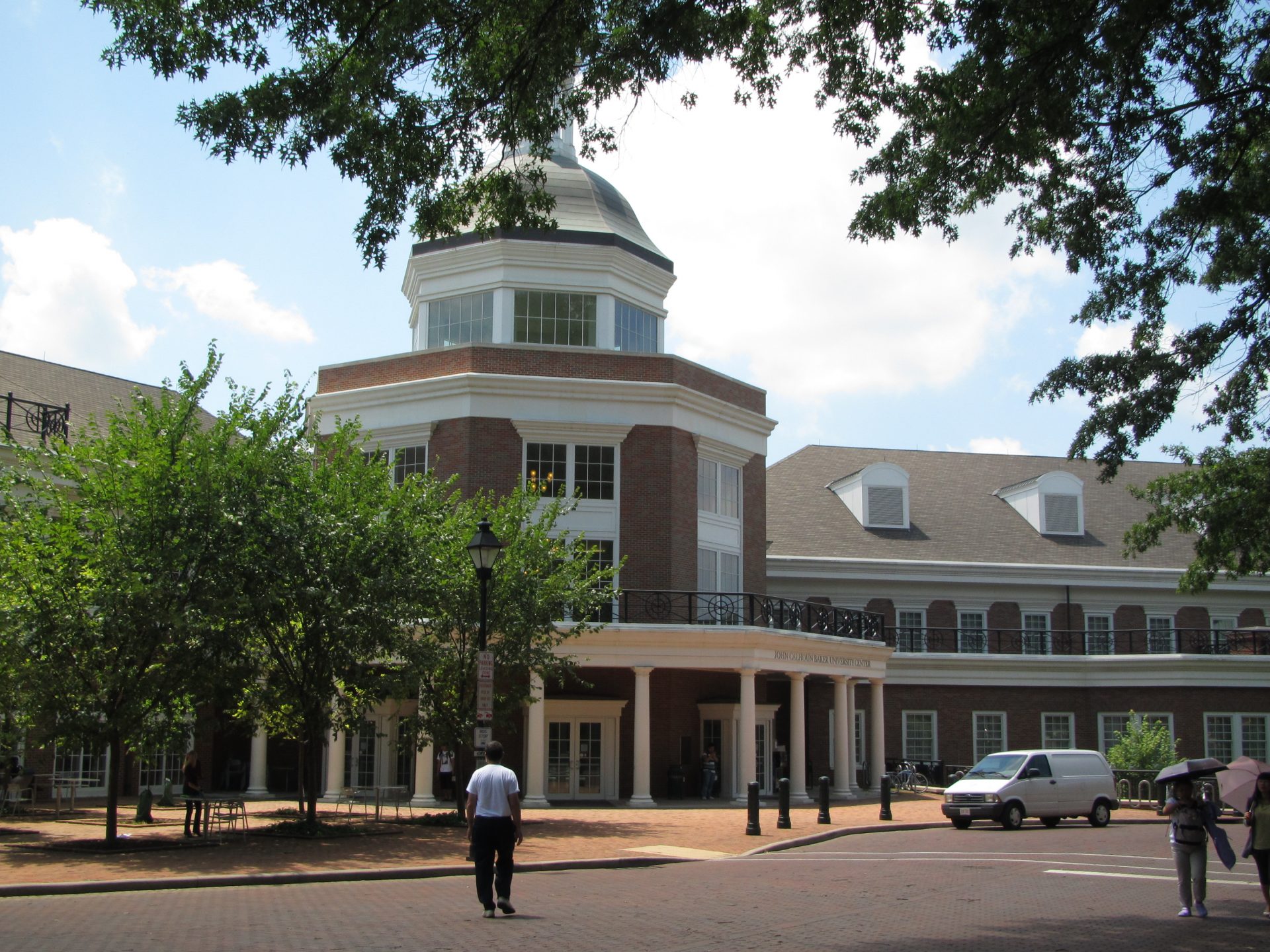
Photo of the student center at Ohio University

In addition to enrolled students taking courses this summer, there are 3 other cohorts on campus:

  • International students – I saw a lot of international students. I was surprised to see so many international students since there is a relatively small international community during the academic year (less than 8%). In fact, only about 17% of their student body are non-Ohio residents.
  • Rising Freshmen – OU encourages its freshman students in the Honors College to begin in the summer session. Those students participate in smaller learning communities. Administrators noted that the summer session is a program to help students transition to college and hopefully improve retention. The most recent graduation rate for OU is 69.7%.
  • Middle and high school students – There are a host of summer programs on OU’s campus for both day and residential students. Nike hosts several sports camps there each year. Additionally, OU hosts its own summer program for high school students. During my visit, I met with the directors of the summer programs and they have been fine-tuning this program since its inception. I will be meeting with them again during the academic year to learn more about upcoming changes.

As rising juniors and seniors are traveling this summer, I encourage them to take advantage of opportunities to visit area campuses. Even if you visit a campus that may not be of interest, you can still learn a lot about available options and make comparisons. When I use the term “area” I am referring to those campuses that are near your home or proximal to where you’re already traveling. I am not suggesting that families make special distant trips just for the sake of visiting – that can be very costly and time-consuming. Campus visits should be done more thoughtfully and strategically than that.

Please listen to our radio show on-campus visits and get more information about how you can make the most of your campus visits.

How Does Boarding School Work? My Reasons Against It

mak_boarding_school_02

When it comes to the decision of whether to send your child to a boarding school, understanding how boarding schools work is crucial. Boarding schools are educational institutions where students live on campus during the school year. This setup provides a unique environment where academics, extracurricular activities, and social life are integrated into a structured setting. However, despite the benefits that boarding schools can offer, I’ve found myself grappling with the idea, especially when considering what boarding schools are like today.

The Evolving Perception of Boarding Schools

In recent years, there have been significant shifts in how boarding schools are perceived and chosen by families. Here are two key trends that highlight this change:

  1. Student-Initiated Interest: Unlike the traditional notion where parents “send” their children to boarding school, many students today actively seek out these opportunities. For instance, I recently met a family visiting Phillips Academy Andover, where the middle school-aged daughter was the one driving the discussion about attending boarding school. The parents, unfamiliar with what a boarding school is like, were initially hesitant but were open to exploring the option due to their daughter’s enthusiasm.
  2. Increased Awareness and Variety: Organizations like The Association of Boarding Schools (TABS) and educational consultants have played a significant role in educating families about the diversity among boarding schools. Families are learning that no two boarding schools are alike; each has its own unique culture, academic focus, and extracurricular offerings. As part of the application process, many boarding schools require campus visits and interviews, giving students firsthand experience of what boarding schools are like. For some students, these visits can affirm their desire to attend a particular school, while for others, it might lead to the realization that a specific school isn’t the right fit.

Why I Wouldn’t Consider Boarding School for My Child

As my own children approach high school age, the idea of boarding school has crossed my mind. The prospect of a boarding school education, with its rigorous academics, diverse extracurricular activities, and well-rounded social environment, is certainly appealing. Yet, I’ve identified several reasons why I would hesitate to send my child to boarding school:

  1. Location Concerns: While New England is home to many prestigious boarding schools, there are also reputable schools in the Midwest and California. However, the thought of my child being far away from home is a significant deterrent for me. Despite the benefits of the boarding school experience, the geographical distance could make it difficult for my child to maintain close family ties and could add emotional strain.
  2. Brand Name Over Substance: The reputation or brand name of a boarding school is often touted as a major selling point. However, I believe that a school’s name and history should not be the sole factors in the decision-making process. What’s more important is whether the school’s current programs and campus culture align with my child’s specific academic, social, and developmental needs. A prestigious name doesn’t guarantee that it’s the best environment for my child.
  3. Peer Influence: Another reason I would not consider a boarding school is the influence of my child’s friends. While having a friend at the same school might ease the transition, every child is unique. The reasons that make a boarding school appealing to one family may not apply to ours. My decision must be based on my child’s individual needs rather than on social factors.

The Broader Considerations

With these points in mind, the possibilities for my child’s education remain wide open. I must critically evaluate how to support my child in finding the best educational environment that meets his learning, social, and developmental needs. There are additional questions to consider, such as my child’s readiness and maturity level for the boarding school experience. Ultimately, I need to weigh these factors against my personal feelings about having my child stay close to home.

Boarding schools, by their nature, are designed to foster independence, resilience, and a strong sense of community. Students are immersed in a structured environment that promotes both academic and personal growth. However, as a parent, the thought of being apart from my child during such formative years is challenging. Would it be selfish of me to prioritize my desire to have my child nearby over the potential benefits of a boarding school education? This is a question that many parents grapple with, especially when considering the long-term impact on their child’s development.

What Boarding Schools Are Like Today

Today’s boarding schools are vastly different from the traditional images many people hold. Far from the rigid, isolated environments of the past, modern boarding schools are vibrant communities that offer a wide range of activities, from arts and sports to leadership and service opportunities. These schools emphasize holistic development, ensuring that students are not only academically prepared but also socially and emotionally well-rounded.

For example, many boarding schools now offer specialized programs in STEM, the arts, and global studies, allowing students to pursue their passions in a supportive environment. Additionally, the close-knit nature of boarding school communities means that students often form strong, lifelong friendships and build networks that can be beneficial throughout their lives.

The facilities at these schools are often state-of-the-art, with campuses that resemble small colleges. Students have access to resources that may not be available at local public schools, including advanced laboratories, art studios, and athletic facilities. Moreover, the presence of highly qualified faculty who live on or near campus ensures that students receive personalized attention and support.

Conclusion: Is Boarding School the Right Choice?

Deciding whether to send your child to boarding school is a deeply personal decision that depends on many factors, including your child’s personality, maturity level, and academic and social needs. Understanding how boarding schools work and what boarding schools are like today is essential in making an informed choice.

While there are many compelling reasons to consider boarding school, it’s important to remember that this option is not for everyone. Some students thrive in the structured, immersive environment that boarding schools provide, while others may find the distance from home and the intensity of the experience challenging.

As a parent, it’s crucial to weigh the benefits against the potential drawbacks and to consider your child’s unique needs and circumstances. Whether you ultimately decide in favor of boarding school or opt for a different educational path, the goal should always be to provide the best possible environment for your child’s growth and success.

If you’re considering boarding school for your child, take the time to visit campuses, talk to current students and parents, and reflect on what you hope to achieve through this educational experience. With careful thought and consideration, you can make the decision that is best for your family.

Sober Living for Teens: Staying Clean and Out of Trouble Through Drug Court

The springtime brings the promise of new beginnings—the sun shines brighter, and flowers start to bloom. As much as I find myself on edge during the flurry of college admission decisions, the anticipation of what lies ahead in May always keeps me going. Graduation season is around the corner, and there’s nothing quite like seeing my students walk across the stage, their families beaming with pride. But this year, one graduation moved me in a way I hadn’t expected—Drug Court graduation.

A Different Kind of Graduation

Unlike any graduation I’ve attended, the Drug Court ceremony I witnessed recently left a profound impact on me. The setting was unconventional—held in a courtroom, the ceremony was far from the typical high school or college event. My friend, who has been deeply involved in supporting these teens, invited me to attend, and I couldn’t resist the opportunity to see the culmination of such a challenging journey.

The students, dressed in graduation gowns, looked like any other teenagers ready to embark on the next phase of their lives. But this ceremony held deeper significance. The presiding judge opened with warm, yet brief, remarks that hinted at the trials and tribulations these teens had faced during their time in Drug Court.

What is Drug Court?

For many teens, staying sober and out of trouble can be an uphill battle. Drug Court is a specialized program that offers an alternative to traditional sentencing for teens who have encountered legal trouble due to substance abuse. Much like “traffic court,” Drug Court proceedings occur after a law has been broken, offering a structured program in lieu of serving jail time.

During their time in Drug Court, teens receive substance abuse counseling and are supported by a community of officials, educators, and counselors dedicated to helping them turn their lives around. The program is rigorous and demands accountability, but it also provides the tools and support needed for sober living.

The Road to Sober Living for Teens

Staying sober is not easy, especially for teens who face a myriad of pressures from peers, school, and life in general. Drug Court gives these teens a chance to break free from the cycle of addiction and legal trouble. Throughout the program, setbacks may occur, but the focus remains on rehabilitation and long-term sobriety.

One of the most encouraging aspects of Drug Court is its success rate—an estimated 90% of Drug Court graduates stay out of jail. This high success rate is a testament to the program’s effectiveness in promoting sober living for teens and providing them with the foundation to lead a positive, law-abiding life.

The Impact of Drug Court Graduation

Attending the Drug Court graduation reminded me of the importance of second chances and the power of community support. These teens have not only worked to stay sober, but they have also committed to changing the trajectory of their lives. The ceremony was filled with pride and joy, not just for the graduates but also for everyone who supported them along the way.

Sober living for teens is possible, and programs like Drug Court play a crucial role in making that a reality. As these graduates move forward, they do so with the knowledge that they have overcome significant obstacles and can continue to stay on the path of sobriety.

Graduation is always a time of celebration, but this Drug Court graduation was a powerful reminder that for some, the journey to that stage is about much more than just academic achievements—it’s about reclaiming their lives.

Final Thoughts

For any teen struggling with substance abuse, the road to sobriety can be daunting, but programs like Drug Court offer hope. Sober living for teens isn’t just about avoiding trouble; it’s about building a future free from the constraints of addiction. The success of Drug Court graduates is a testament to what can be achieved when there is support, structure, and a commitment to change.

If you or someone you know is facing similar challenges, consider exploring the options that Drug Court and other similar programs provide. The path to recovery is challenging, but with the right support, sober living is not just a possibility—it’s a reality.

More interesting articles to check out:

Please sign up for our monthly newsletter . . . Great stuff!

College Prep School – Western Reserve Academy

On a recent visit to Western Reserve Academy (WRA) in Hudson, Ohio, I lost my place on the map! One of the things that strike me whenever I visit the campus is how it reminds me of a quaint New England town tucked away from the hurriedness of an urban center. If I didn’t read the sign, perhaps I would think I was in Hanover, NH, or Wellesley, MA. When I talk with students and administrators, it’s clear that the curriculum is challenging, but the culture is fun and rooted in Midwestern values.

These photos highlight some of the features of the campus that are worth mentioning:

  • Almost all of the faculty live on campus, in dorms as well as private homes;
  • WRA is a “three-sport’ high school, which means that students must participate in sports or take a physically active course as an alternative. The gym probably gets a lot of use throughout the year.
  • The library facilities are top-notch and seniors spend plenty of time there to complete their senior thesis.
  • The “Green Key” club is special in that it matches every new student with a senior student. This supports a good way for new students to get integrated into the community.

This final feature is important from an academic point, as well as social. Community is really important at WRA.

Centre College and Transylvania U in Kentucky

Centre College, located in Danville, Kentucky, has a national reputation. The college is located in a small town where the college is the happening place. It wasn’t clear, however, if there was a strong relationship between the town and the college. A student described the Centre-Danville relationship as “getting better.” Staff and students consistently described the culture of the campus as “academic” and “All-American.” So, if that sounds like your kind of campus, great, keep on reading! If these descriptors are not appealing to you, keep reading this posting, but perhaps we should talk! ☺

Culture and tradition at Centre

The more telling signs of the cultural spirit may be the strong presence of students from Ohio and Tennessee with a 55% in-state population overall. My own impression of the Centre culture is a Southern/Midwest homey-ness!

All freshman dorms are single-gender with graduated visitation privileges. Upperclassmen have varied housing options. The new upper-class dorm got rave reviews. The dining hall, fitness center, and other academic buildings are also either new or recently renovated. What was nice about the renovations on campus is that they maintained the character of the architecture on campus

What makes Centre College special

A signature differentiator of the college is the “Centre Term.” Centre Term, a 3-week period between the first and second semesters, provides an opportunity for almost every student to study abroad. The main dining hall is adorned with flags displaying all the countries visited by Centre students.IMG_0399

Gotta check out the glass-blowing course if you attend!

While I was in Kentucky, I also visited Transylvania University. Quite frankly, I didn’t know much about the college until I heard the President speak at an IECA conference last November. The fact that the President had been a partner at Goldman was even more intriguing. One of the reasons I visited was to see what compelled him to relocate to Lexington, KY!

Transylvania students love their campus

The Transylvania campus is located in a really hip section of Lexington – not too far from campus. There were several restaurants close by and the homes in the neighborhood appeared well-kept. I was a bit disappointed with being on campus, however, because a campus police officer actually followed me around. Not sure why I was singled out. Nevertheless, it dampened my spirits a bit.

transylvannia university campusStudents that I met were enthusiastic and positive about their experiences at Transylvania. (I didn’t let the overzealous campus police ruin that.) Students remarked on the small class sizes and access to extra-curricular activities. I didn’t get a sense of Transylvania’s distinguishing qualities, but do plan to visit again! Stay tuned.

Your State has a College Drop Out Problem!

We often hear about the alarming number of students who drop out of high school, a troubling trend that continues to plague our education system. However, what many people don’t realize is that we also have a significant college drop out problem. When I bring up this issue, people are often surprised, but the statistics don’t lie.

If you attended college 20 or more years ago, you probably remember it as a four-year journey. Even students who transferred from one school to another typically followed a two-year plan at each institution. Nowadays, however, college is frequently discussed as a six-year cycle. The thought of paying for six years of college, rather than four, is daunting—both for families and taxpayers. The extended timeline can quickly turn into a deep-pocketed investment that few can afford.

Yet, despite this extended time frame, an alarming number of students are dropping out of college, especially after their freshman year. According to a study by the American Institutes for Research, states are losing millions of dollars due to college dropouts. The financial impact is staggering, and the personal cost to students who leave without a degree is even greater.

The Real Reasons Behind the College Dropout Crisis

Some critics of the “college for all” mindset argue that low graduation rates prove their point—that college isn’t the right path for everyone. While there’s some validity to that perspective, there’s another issue that often goes unaddressed: the breakdown in college completion often begins long before students set foot on campus. The root cause is frequently tied to the college selection process itself.

Many students choose their colleges for the wrong reasons, leading to a poor fit that ultimately results in them dropping out. Here are some common pitfalls in the college selection process:

  • Location: Some students choose a college simply because it’s close to home or, conversely, far enough away to escape parental oversight. Neither of these reasons guarantees a good fit.
  • Friends: An over-reliance on friends’ opinions can cloud a student’s judgment, preventing them from considering other campuses that might better suit their needs.
  • Parents: Sometimes, parents push their children toward a particular college, which can lead to resentment and a lack of engagement from the student.

Choosing the Right College: It’s All About Fit

The key to avoiding the college dropout problem starts with finding the right fit. With over 3,800 colleges and universities in the U.S., there’s no one-size-fits-all solution. Some campuses are rural, while others are located in bustling urban centers. Certain schools offer extensive support for students with learning differences, while others do not. Some colleges are known for their vibrant Greek life, others for their unique scheduling options or even their exceptional dining halls.

When considering colleges, students should ask themselves, “Is this a place where I can thrive?” This question goes beyond academics; it touches on social life, support systems, campus culture, and the overall environment.

The Importance of Freshman Year

The freshman year of college is a pivotal time. Many colleges offer extensive programs to help students transition, but even with support, the shift from high school to college can be overwhelming. For some students, the brief 2-3 months between high school graduation and the start of college isn’t enough time to mature and prepare for the demands of higher education.

This is where a gap year can make all the difference. Taking a year after high school to pursue other interests, gain life experience, or travel can be incredibly beneficial. It gives students time to grow, mature, and approach college with a clearer sense of purpose and readiness. Many colleges now support requests for deferred admission, allowing students to take a gap year without losing their place in the freshman class.

Looking back, I realize I could have had a richer college experience if I had taken a gap year. While the support for such a decision wasn’t as robust back then, today, there are numerous structured programs designed to offer meaningful, year-long experiences that can help students return to college more prepared and motivated.

Addressing the College Dropout Crisis

Addressing the college dropout problem requires a multi-faceted approach. It starts with a more thoughtful and deliberate college selection process, where students prioritize fit over convenience or external pressures. It also involves recognizing that not all students are ready for college immediately after high school—and that’s okay. Taking the time to ensure that students are both emotionally and academically prepared for the challenges of college can make all the difference in their ability to persist and graduate.

In conclusion, while the college dropout rate is a serious issue, it’s not an insurmountable one. By focusing on finding the right fit, considering the benefits of a gap year, and ensuring students are truly ready for the demands of college, we can help more students achieve their academic goals and reduce the number of dropouts. Remember, college should be a place where students thrive, not just survive. Let’s work together to make sure that more students have the opportunity to complete their degrees and reach their full potential.

Freshman retention rate College Graduation rate Cost to taxpayers (in Millions)
Alabama (AL) 76.40% 47.40% $69.90
Alaska (AK) 70.70% 25.00% $11.90
Arizona (AZ) 77.70% 54.70% $54.30
Arkansas (AR) 69.60% 41.20% $34.40
California (CA) 84.30% 62.00% $228.80
Colorado (CO) 76.30% 53.40% $79.00
Connecticut (CT) 83.70% 56.20% $24.80
Delaware (DE) 85.10% 70.70% $14.80
District of Columbia (DC) 39.50% 17.20% $6.70
Florida (FL) 85.60% 59.20% $57.30
Georgia (GA) 80.80% 51.00% $60.00
Hawaii (HI) 75.10% 50.90% $11.10
Idaho (ID) 63.50% 32.70% $24.50
Illinois (IL) 80.20% 59.50% $78.90
Indiana (IN) 77.10% 52.50% $110.30
Iowa (IA) 83.30% 65.70% $25.70
Kansas (KS) 74.90% 54.80% $38.20
Kentucky (KY) 72.30% 46.30% $64.20
Louisiana (LA) 71.50% 39.80% $71.80
Maine (ME) 72.40% 50.60% $14.90
Maryland (MD) 82.30% 63.00% $46.80
Massachusetts (MA) 79.00% 52.70% $50.00
Michigan (MI) 80.30% 59.10% $124.50
Minnesota (MN) 78.50% 53.20% $57.40
Mississippi (MS) 75.20% 49.30% $25.50
Missouri (MO) 76.00% 53.80% $56.50
Montana (MT) 69.30% 41.10% $17.00
Nebraska (NE) 77.10% 54.30% $20.00
Nevada (NV) 75.10% 43.10% $20.60
New Hampshire (NH) 83.90% 65.40% $10.40
New Jersey (NJ) 84.70% 63.60% $43.80
New Mexico (NM) 71.30% 41.00% $19.80
New York (NY) 82.50% 56.80% $117.40
North Carolina (NC) 81.20% 58.80% $102.80
North Dakota (ND) 77.00% 47.00% $14.20
Ohio (OH) 79.20% 56.10% $123.50
Oklahoma (OK) 70.60% 46.10% $42.50
Oregon (OR) 76.70% 54.10% $27.30
Pennsylvania (PA) 81.10% 61.70% $133.40
Puerto Rico (PR) 83.50% 42.70% $29.30
Rhode Island (RI) 79.20% 53.60% $10.90
South Carolina (SC) 78.80% 59.50% $47.30
South Dakota (SD) 73.90% 46.40% $11.60
Tennessee (TN) 72.00% 44.20% $79.60
Texas (TX) 74.40% 48.90% $238.00
Utah (UT) 73.40% 47.70% $24.50
Vermont (VT) 86.00% 71.60% $7.80
Virgin Islands (VI) 72.80% 29.20% $1.70
Virginia (VA) 86.10% 67.30% $60.20
Washington (WA) 83.50% 66.40% $50.00
West Virginia (WV) 72.30% 45.10% $29.00
Wisconsin (WI) 79.30% 58.60% $65.20
Wyoming (WY) 72.50% 56.90% $7.70