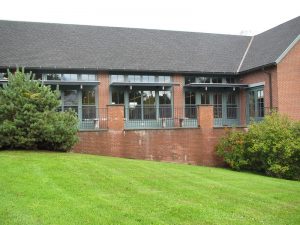
When it comes to the decision of whether to send your child to a boarding school, understanding how boarding schools work is crucial. Boarding schools are educational institutions where students live on campus during the school year. This setup provides a unique environment where academics, extracurricular activities, and social life are integrated into a structured setting. However, despite the benefits that boarding schools can offer, I’ve found myself grappling with the idea, especially when considering what boarding schools are like today.
The Evolving Perception of Boarding Schools
In recent years, there have been significant shifts in how boarding schools are perceived and chosen by families. Here are two key trends that highlight this change:
- Student-Initiated Interest: Unlike the traditional notion where parents “send” their children to boarding school, many students today actively seek out these opportunities. For instance, I recently met a family visiting Phillips Academy Andover, where the middle school-aged daughter was the one driving the discussion about attending boarding school. The parents, unfamiliar with what a boarding school is like, were initially hesitant but were open to exploring the option due to their daughter’s enthusiasm.
- Increased Awareness and Variety: Organizations like The Association of Boarding Schools (TABS) and educational consultants have played a significant role in educating families about the diversity among boarding schools. Families are learning that no two boarding schools are alike; each has its own unique culture, academic focus, and extracurricular offerings. As part of the application process, many boarding schools require campus visits and interviews, giving students firsthand experience of what boarding schools are like. For some students, these visits can affirm their desire to attend a particular school, while for others, it might lead to the realization that a specific school isn’t the right fit.
Why I Wouldn’t Consider Boarding School for My Child
As my own children approach high school age, the idea of boarding school has crossed my mind. The prospect of a boarding school education, with its rigorous academics, diverse extracurricular activities, and well-rounded social environment, is certainly appealing. Yet, I’ve identified several reasons why I would hesitate to send my child to boarding school:
- Location Concerns: While New England is home to many prestigious boarding schools, there are also reputable schools in the Midwest and California. However, the thought of my child being far away from home is a significant deterrent for me. Despite the benefits of the boarding school experience, the geographical distance could make it difficult for my child to maintain close family ties and could add emotional strain.
- Brand Name Over Substance: The reputation or brand name of a boarding school is often touted as a major selling point. However, I believe that a school’s name and history should not be the sole factors in the decision-making process. What’s more important is whether the school’s current programs and campus culture align with my child’s specific academic, social, and developmental needs. A prestigious name doesn’t guarantee that it’s the best environment for my child.
- Peer Influence: Another reason I would not consider a boarding school is the influence of my child’s friends. While having a friend at the same school might ease the transition, every child is unique. The reasons that make a boarding school appealing to one family may not apply to ours. My decision must be based on my child’s individual needs rather than on social factors.
The Broader Considerations
With these points in mind, the possibilities for my child’s education remain wide open. I must critically evaluate how to support my child in finding the best educational environment that meets his learning, social, and developmental needs. There are additional questions to consider, such as my child’s readiness and maturity level for the boarding school experience. Ultimately, I need to weigh these factors against my personal feelings about having my child stay close to home.
Boarding schools, by their nature, are designed to foster independence, resilience, and a strong sense of community. Students are immersed in a structured environment that promotes both academic and personal growth. However, as a parent, the thought of being apart from my child during such formative years is challenging. Would it be selfish of me to prioritize my desire to have my child nearby over the potential benefits of a boarding school education? This is a question that many parents grapple with, especially when considering the long-term impact on their child’s development.
What Boarding Schools Are Like Today
Today’s boarding schools are vastly different from the traditional images many people hold. Far from the rigid, isolated environments of the past, modern boarding schools are vibrant communities that offer a wide range of activities, from arts and sports to leadership and service opportunities. These schools emphasize holistic development, ensuring that students are not only academically prepared but also socially and emotionally well-rounded.
For example, many boarding schools now offer specialized programs in STEM, the arts, and global studies, allowing students to pursue their passions in a supportive environment. Additionally, the close-knit nature of boarding school communities means that students often form strong, lifelong friendships and build networks that can be beneficial throughout their lives.
The facilities at these schools are often state-of-the-art, with campuses that resemble small colleges. Students have access to resources that may not be available at local public schools, including advanced laboratories, art studios, and athletic facilities. Moreover, the presence of highly qualified faculty who live on or near campus ensures that students receive personalized attention and support.
Conclusion: Is Boarding School the Right Choice?
Deciding whether to send your child to boarding school is a deeply personal decision that depends on many factors, including your child’s personality, maturity level, and academic and social needs. Understanding how boarding schools work and what boarding schools are like today is essential in making an informed choice.
While there are many compelling reasons to consider boarding school, it’s important to remember that this option is not for everyone. Some students thrive in the structured, immersive environment that boarding schools provide, while others may find the distance from home and the intensity of the experience challenging.
As a parent, it’s crucial to weigh the benefits against the potential drawbacks and to consider your child’s unique needs and circumstances. Whether you ultimately decide in favor of boarding school or opt for a different educational path, the goal should always be to provide the best possible environment for your child’s growth and success.
If you’re considering boarding school for your child, take the time to visit campuses, talk to current students and parents, and reflect on what you hope to achieve through this educational experience. With careful thought and consideration, you can make the decision that is best for your family.