Business Summer Programs for High School Students

Students Interested in Business | Business Summer Programs for High School Students | Compass College Advisory

Just as there are a number of business opportunities in college for students, there are just as many pre – business summer programs for high school students before the enter college. As early as the summer after 9th grade, students interested in business can explore this field. In my research, I have found that there are a few programs for rising sophomores, even more programs available to rising juniors, then rising seniors have the most opportunities for summer pre-business programs.

The selection process for these pre-business summer programs vary. Some programs only require interest and a tuition deposit. It’s not necessarily a bad thing, because student participants can still learn a lot during the program. The more selective pre-business summer programs may require:

The deadlines for these programs are typically in February/March.

A Few of the Best Business Summer Programs for High School Students

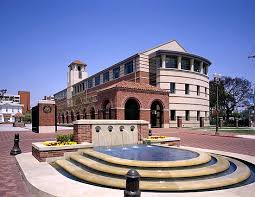
USC Marshall School has a top international business experience for undergrads.

Here are several programs where high school students can explore whether a business career is a match for them:

Stevens Institute of Technology Business Program – students are exposed to marketing, finance (including Quantitative Finance), management, and business law in this one-week intensive experience.

University of Southern California Exploring Entrepreneurship – students earn 3 USC college credits in this 4-week course, which blends business theory and the practice of being an entrepreneur.

Business Week (Throughout the USA) – Several states across the country offer “Business Week” programs, which are one-week business intensives that integrate business concepts, mentoring, and team projects with local leaders. There are Business Week programs in the following states:

  • Alaska
  • Colorado
  • Ohio
  • Pennsylvania
  • South Carolina
  • Utah
  • Washington

If your state is not listed here, you may want to search online with “(your state) Business Week high school students” and see what comes up.

What pre-business summer programs have you found for high school students?

Career Exploration for Students: What Do I Want To Be When I Grow Up?

Do teenagers really know what they want to do in life? In short, some of them do and some of them definitely don’t. When I’m guiding my college-bound high school students, it doesn’t matter if they know what they want to be when they grow up. I encourage career exploration for students to happen in the summer.

Case Study 1: “I want to be a medical doctor.”

Becoming a medical doctor is more than just majoring in biology. There are different types of doctors. There are many summer options where high school students can learn more about the medical field:

  • Do research at a university
  • Participate in clinical rounds through a shadowing program
  • Volunteer in a hospital, or
  • Travel on a cultural exchange that supports healthworkers.

Each summer when my students spend time in one of these activities, it always changes their perspective on the health field . . . either confirming their interest, finding a new sub-specialty interest, meeting a new mentor or deciding that they have a totally different interest.

Case Study 2: “I don’t know what I want to do in college or after.”

The most popular major for incoming college freshmen is “Undecided.” That may work well for a campus that offers the flexibility for students to explore different majors and still graduate in four years. If a college doesn’t offer that flexibility, then students can waste a lot of time and money “figuring out” what they want to do. I encourage my high school students to participate in an activity of interest during the summer. In the summers after 9th, 10th, and 11th grade, students can

  • Participate in an academic program on any topic, from history to psychology to physics
  • Volunteer in local community
  • Be creative through the fine or performing arts
  • Get a job or any other purposeful pursuit.

Either way, there is no reason that any college-bound teen should say . . .”I just hung out for the summer” especially if you’re “undecided”.

Case Study 3: “I want to be an engineer.”

This is probably the second most common interest I hear from high school students. I hate to say it but I don’t think that most high school students really know what an engineer does. There are countless summer engineering programs for high school students, especially for girls. Students can learn about the specific fields of engineering as well as meet engineers. Some programs even incorporate a hands-on problem for students to solve. These programs go a long way in helping students to not only learn about the various fields but determine if they like it enough to pursue as a major in college. (The engineering majors are one of the more intensive and time-demanding majors to pursue.) The cool thing about the summer engineering programs is that you can even find programs that are free to attend.

Case Study 4: “I think I want to do business.”

Business is a popular field of interest, yet very broad. When I ask my students which area of business interests them, they often say “management” or “general”. Still . . . very broad. That response tells me that a student has several options for the summer:

  • Attend a summer business program across topics
  • Collaborate on a business project
  • Participate in a job shadowing/internship, or
  • Get a job.

There has been a lot of interest lately in starting a business. For my students interested in entrepreneurship, I encourage them to

  • Check out summer entrepreneurship programs
  • Attend local, small business resource events, or
  • Write a business plan.

Again, with all the different options for high school students interested in any area of business, every teen can find out if this area interests them or not, before going to college.

In our upcoming blog posts, we will highlight specific summer programs for high school students to explore career interests.

How to Get Your First Job Out of College and What to Expect

Landing your first job out of college is a significant milestone, but the path to securing that job and what comes after might not be as straightforward as you expect. Graduates today face a different employment landscape than those from previous generations, and understanding what to anticipate can help you navigate your early career with confidence.

Here’s what you need to know about getting your first job out of college and what you can expect once you do.

Adjusting Expectations: Your First Job Might Not Be Your Dream Job

One of the most important things to understand is that your first job out of college might not align perfectly with your major or career aspirations. Many graduates find themselves starting in fields that are different from what they originally envisioned. This doesn’t mean you won’t eventually land your dream job, but it does mean you may need to adjust your expectations and embrace the opportunities that come your way.

Taking a job that’s outside your initial field of interest can offer valuable experience, networking opportunities, and skills that will be useful in your future career. Remember, your first job is just the beginning of your professional journey, and every experience will contribute to your long-term success.

Consider Graduate School: The New Normal for Career Advancement

In today’s competitive job market, a bachelor’s degree might not be enough to climb the career ladder as quickly as you’d like. Increasingly, graduates are finding that a master’s degree has become the new bachelor’s degree when it comes to career advancement. If you’re serious about moving up in your field, returning to graduate school may be a necessary step.

While this doesn’t mean you need to rush back to school immediately after graduation, it’s something to keep in mind as you plan your career. Gaining work experience first can also help you determine which graduate programs will best support your career goals.

Embrace the Reality of Multiple Jobs and Career Changes

Gone are the days when you could expect to stay with one company from graduation to retirement. Today’s job market is much more dynamic, and it’s common for professionals to change jobs, companies, and even industries multiple times throughout their careers.

This trend offers both challenges and opportunities. On one hand, it requires adaptability and a willingness to learn new skills. On the other hand, it allows you to explore different fields, find the best fit for your talents and interests, and continue growing as a professional. Embracing this reality early on can help you remain flexible and open to new opportunities as they arise.

Don’t Overlook Sales Jobs

While many recent graduates might shy away from sales positions, viewing them as less glamorous or less aligned with their degrees, it’s worth reconsidering. Sales jobs are often abundant and can provide a strong foundation for a variety of career paths.

Sales skills—such as communication, persuasion, and relationship-building—are incredibly valuable and transferable to almost any job. Whether you stay in sales or move into a different field, these skills will serve you well throughout your career. Additionally, starting in sales can help you build a network, learn about different industries, and gain confidence in your abilities.

As an entrepreneur, for example, the ability to sell your services and yourself is crucial. Many successful professionals started their careers in sales, and the skills they gained early on have been key to their success.

How to Get a Job Out of College

Now that you know what to expect, here are some practical tips on how to get a job out of college:

  1. Start Early: Begin your job search before graduation. Attend career fairs, connect with alumni, and apply for internships or part-time jobs that can lead to full-time positions.
  2. Network Actively: Networking is key to finding job opportunities. Connect with professionals in your field on LinkedIn, attend industry events, and don’t hesitate to reach out to potential mentors for advice.
  3. Tailor Your Resume and Cover Letter: Customize your resume and cover letter for each job application. Highlight the skills and experiences that are most relevant to the position you’re applying for.
  4. Prepare for Interviews: Practice answering common interview questions and be ready to discuss how your education and experiences make you a strong candidate. Research the company and come prepared with thoughtful questions.
  5. Be Open to Different Opportunities: As mentioned earlier, your first job may not be your dream job, but it’s a stepping stone. Be open to positions that offer growth potential, even if they’re not in your ideal field.
  6. Follow Up: After applying for a job or completing an interview, send a thank-you email to express your appreciation and reiterate your interest in the position. Following up shows professionalism and can set you apart from other candidates.

Conclusion

Securing your first job out of college can be both exciting and daunting. By adjusting your expectations, considering the possibility of further education, embracing the likelihood of multiple jobs throughout your career, and recognizing the value of sales positions, you can navigate this transition successfully. Remember, the path to a fulfilling career is rarely linear, but with persistence, flexibility, and a proactive approach, you’ll find your way to success.